Health and Safety Policy for Carpet Cleaning KT2
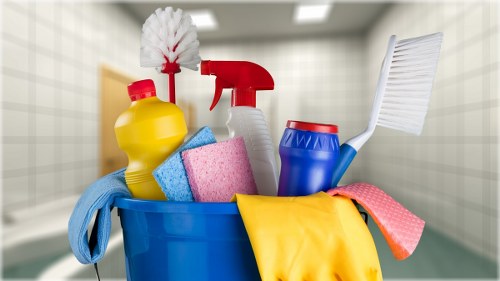 Our Carpet Cleaning KT2 health and safety policy sets out the principles, responsibilities, and working practices that help protect clients, staff, visitors, and property during every cleaning task. We aim to maintain a safe working environment by planning each job carefully, using suitable equipment, and applying proven control measures. This policy supports safe carpet cleaning by reducing risks linked to cleaning chemicals, electrical equipment, manual handling, slips, and general workplace hazards.
We believe that effective health and safety management is part of professional service delivery. Every operative is expected to act responsibly, follow safe systems of work, and report concerns without delay. The policy applies to all carpet cleaning operations, including stain treatment, hot water extraction, dry cleaning, pre-inspection, and post-cleaning checks. It is written to be practical, clear, and suitable for everyday use in domestic and commercial settings.
 Before starting any job, a risk assessment must be completed to identify hazards and decide on appropriate controls. This includes checking the condition of flooring, electrical sockets, access routes, ventilation, and the presence of vulnerable items. Particular attention is given to wet surfaces, furniture movement, and the safe use of cleaning agents. By assessing conditions in advance, we reduce the chance of incidents and support a safer cleaning process.
Responsibilities and Safe Working Standards
Managers, supervisors, and operatives each have defined responsibilities under this policy. Management must provide suitable training, maintain equipment, and ensure that cleaning materials are selected and stored safely. Operatives must use equipment only for its intended purpose, wear appropriate PPE where required, and stop work if a task becomes unsafe. Everyone is expected to uphold health and safety in carpet cleaning as a shared responsibility rather than a separate task.
Training covers chemical handling, moving equipment, hazard recognition, emergency procedures, and correct cleaning methods. Staff must understand product labels, dilution instructions, and first aid responses for accidental exposure. Equipment checks are carried out before use to confirm that hoses, plugs, cables, and machines are in safe condition. Faulty items are removed from service immediately. These checks support reliable carpet cleaning safety and help prevent avoidable damage or injury.
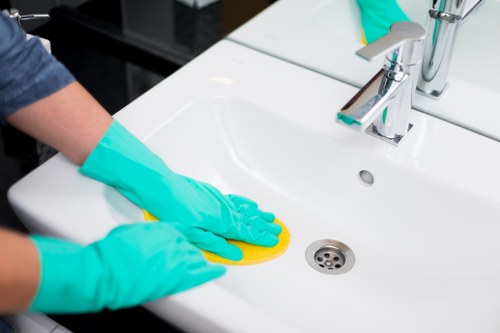 Cleaning products are stored, handled, and used in line with manufacturer instructions. Wherever possible, we choose low-risk products that are effective while reducing irritation, fumes, and environmental impact. Personal protective equipment may include gloves, footwear with slip-resistant soles, and eye protection where splashing is possible. Good ventilation is maintained during cleaning and drying stages. These measures help manage hazards linked to professional carpet cleaning and contribute to a controlled working environment.
Hazard Control Measures
Slips and trips are among the most common risks during carpet cleaning, especially where floors become damp or where equipment is moved through occupied areas. To control this, warning signs are placed where needed, walkways are kept clear, and freshly cleaned areas are left safe and visible until dry. Cables and tools are positioned to avoid obstruction. This approach supports safer carpet cleaner health and safety practices for both operatives and building users.
Manual handling also requires careful attention. Lifting machines, carrying accessories, and moving furniture can create strain if done incorrectly. Staff are trained to assess load weight, use good posture, and seek assistance when an item is awkward or heavy. Where furniture movement is necessary, it is done only when safe and agreed in advance. Protective footwear and careful route planning help reduce the risk of collision, twisting injuries, and surface damage.
 Electrical safety is another important part of this policy. All portable equipment is checked regularly, used on suitable sockets, and kept away from standing water whenever possible. Cables are inspected for wear and damage, and machines are switched off before adjustments are made. RCD protection is used where appropriate. These controls support safe carpet cleaning operations and reduce the likelihood of electric shock or equipment failure.
Incident Response, Review, and Continuous Improvement
In the event of an accident, spill, injury, or near miss, work must stop if necessary and the situation must be made safe. First aid is provided where appropriate, and urgent issues are escalated immediately. Any contamination, breakage, or unsafe condition is reported and recorded so that corrective action can be taken. This process helps maintain accountability and strengthens carpet cleaning health and safety across all jobs.
We also place importance on fire safety and emergency readiness. Staff must know how to respond to alarms, evacuation procedures, and any site-specific requirements. Cleaning materials are not left near ignition sources, and equipment is switched off after use. Good housekeeping is maintained throughout the task to keep exits, corridors, and working areas clear. These steps support a safer environment during carpet cleaning services and help prevent escalation of minor hazards.
 This policy is reviewed regularly to ensure it remains effective, practical, and aligned with current working methods. Updates are made when equipment changes, when new risks are identified, or when lessons learned indicate a better approach. By reviewing procedures and reinforcing safe habits, we maintain high standards of carpet cleaning KT2 safety and provide a reliable framework for consistent, professional service.